
Art LED Display for Luxury Residential Interiors: A Planning Guide
A practical guide to planning an art LED display in a high-end residence, including viewing conditions, artwork, wall integration and long-term service access.
An art LED display gives a residential interior the option to change its atmosphere without changing the architecture. When it is planned well, the wall can present a still artwork, slow ambient motion or a curated visual sequence while remaining aligned with the room's material palette, lighting and proportions.
For a high-end residence, the question is rarely whether a display can play video. The more important question is how it behaves as part of a calm, considered interior every day. This guide outlines the decisions worth resolving before an art LED display is integrated into a living room, entrance hall, dining area, private lounge or master suite.
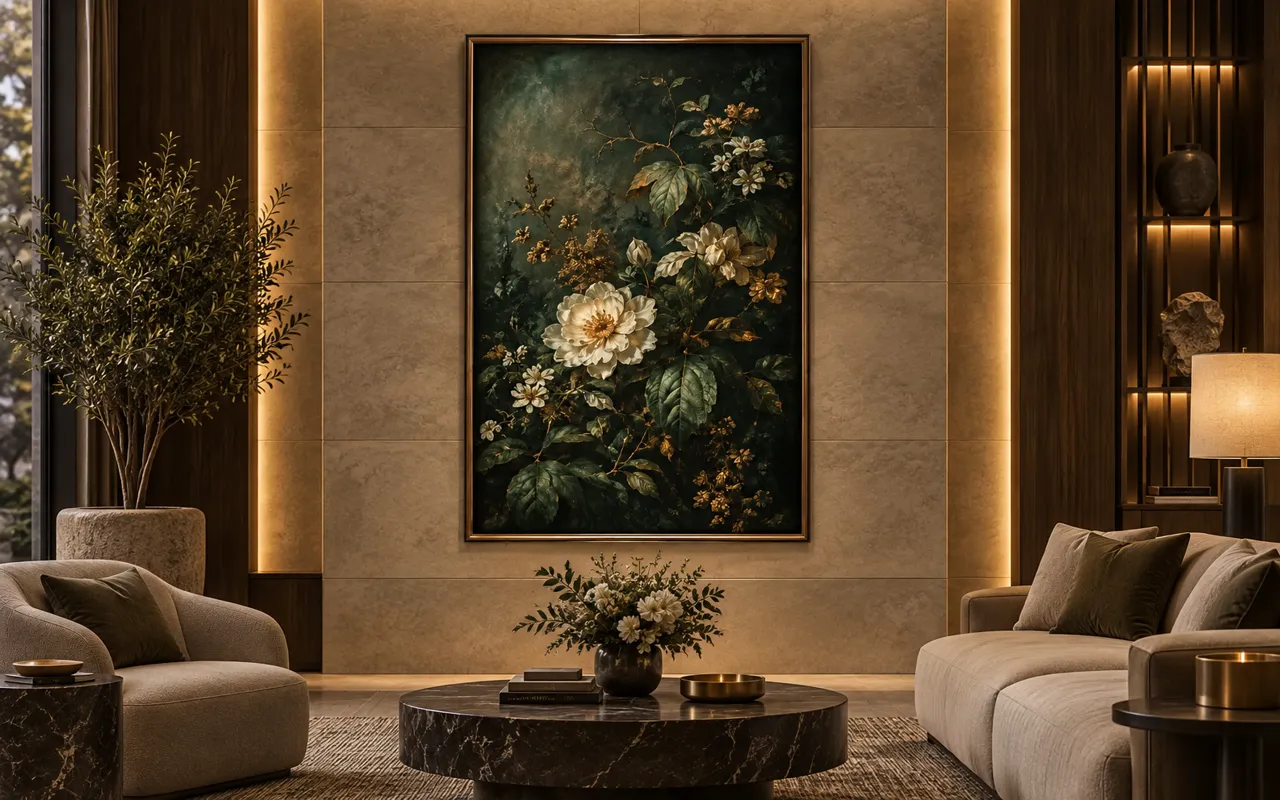
Start with the room's visual rhythm
Consider where the display sits in the room and how occupants experience it over time. A wall opposite a sofa, behind a dining table or at the end of an entrance axis has a different role from a dedicated media room.
In living spaces, quiet visual content usually has more longevity than constantly changing video. Framed art, painterly studies, slow abstract motion and seasonal scenes can create variation without turning the room into a commercial environment. Define the intended default state before selecting the screen size, aspect ratio and wall treatment.
Review viewing distance and content detail together
Residential viewing is often closer than designers first expect. Seating positions, circulation paths and children approaching the wall should all be considered when reviewing pixel pitch. Fine-pitch configurations may support detailed artwork and close-range viewing, but the final choice depends on screen dimensions, content style, ambient light and the project's budget.
It is useful to share a furniture plan and wall elevation during the first technical review. This lets the display configuration reflect how the room will actually be used rather than a generic viewing-distance assumption.
Treat the display as a wall finish, not a device
The strongest residential integrations are coordinated with the wall materials from the outset. Stone, timber veneer, lacquered panels, fabric, metal trims and joinery all create different opportunities for framing or recessing the display.
Before finishes are fixed, coordinate:
- Finished opening size, sightlines and edge treatment.
- Mounting structure and the wall's load-bearing approach.
- Power, signal and control-equipment locations.
- Ventilation and a clean service route.
- Front-service access where the wall construction allows it.
- The relationship to adjacent joints, grain direction and lighting details.
This avoids a late-stage black rectangle being inserted into a wall that was otherwise designed as a continuous composition.
Design the off-state deliberately
For an art LED display, the off-state deserves the same attention as the on-state. Share reference images, finish samples and the room's lighting direction at the quotation stage. These help the technical team evaluate an appropriate surface treatment, low-glare finish and edge direction for the surrounding interior.
The chosen media also changes the perceived transition. Lower-contrast, material-aware artwork tends to sit more quietly with a residential wall than saturated, high-speed content. Whenever possible, review samples or project footage under lighting that resembles the finished room.
Plan ownership of the artwork and updates
Establish who curates the artwork, how it will be supplied, and how often it should change. A simple library of content designed for the screen's aspect ratio is more useful than a large collection of generic media. The display should have an intentional visual state even when no one is actively operating it.
The project handover should also document the selected configuration, control method, service approach and recommended spare parts. This gives the homeowner, interior designer and technical support team a clear reference after installation.
Start with an interior reference
TextureLED supports high-end residential LED display concepts from early wall review through the confirmed configuration. For an Art LED Display, send a room rendering, wall elevation, material direction or reference image before joinery and finishes are finalised. Typical production is 15–30 days once the confirmed scope is released; final documentation and logistics are reviewed for the specific destination.
Planning a similar space?
Share your wall dimensions, material references and viewing conditions. We can review a suitable product and installation route.
Discuss your project